Introduction: Deploying CN2 dedicated line or CN2 node servers in Malaysia is particularly critical for delay-sensitive services. This article systematically analyzes the main factors affecting the stability of Malaysia's CN2 servers from the hardware, computer room and network levels to facilitate operation, maintenance and procurement decisions.
Computer room location and facility reliability
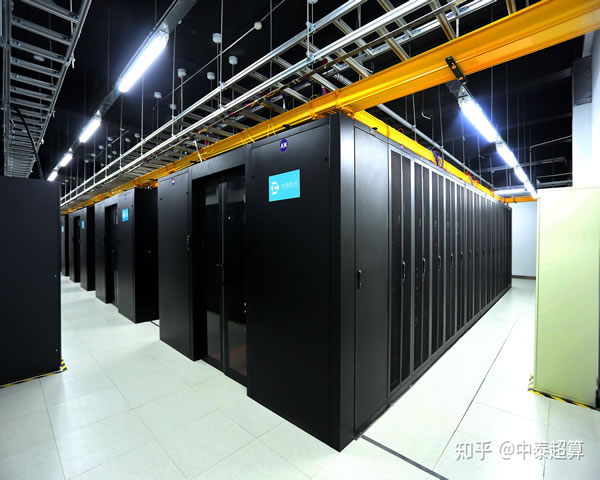
The location and infrastructure of the computer room directly affect the availability of the Malaysia CN2 server. High-quality computer rooms are equipped with redundant power supplies, UPS, generators and independent cooling systems, which can maintain the continuous operation of servers in emergencies and reduce the risk of downtime.
Server hardware and redundancy design
Hardware selection includes CPU, memory, RAID hard disk and network interface. The use of redundant power supplies, hard disk arrays and hot backup mechanisms can reduce single points of failure caused by hardware failures and improve the overall stability and business continuity of Malaysia's CN2 servers.
Network link diversity and redundancy
Link redundancy is the core of ensuring CN2 server connectivity. Multi-operator access, different physical paths and fiber optic cable diversity can quickly switch when a single route or link fails, reducing the risk of packet loss and long interruptions.
Routing strategy and BGP optimization
The routing policy directly affects the forwarding efficiency through CN2. Properly configuring BGP routes, prioritizing low-latency paths, and setting reasonable route fallback policies can ensure rapid convergence and maintain stable connections when network abnormalities occur.
Bandwidth management and traffic optimization
Sufficient bandwidth and reasonable traffic scheduling can avoid jitter caused by congestion. Using QoS, traffic shaping and load balancing measures can ensure that key services can still obtain stable bandwidth and low latency experience during peak hours.
DDoS and security protection capabilities
The protection capability against DDoS attacks is directly related to service availability. Deploying traffic cleaning, black hole filtering and distributed protection systems can protect the Malaysian CN2 server from large-scale traffic impacts when an attack occurs.
Monitoring system and fault response
A complete monitoring and alarm system can detect abnormalities in advance. Real-time network, host and application monitoring combined with automated response processes help shorten fault recovery time and improve the controllability of stable operation of Malaysia's CN2 servers.
Delay, jitter and packet loss control
The CN2 network is known for its low latency, but the terminal experience is still affected by jitter and packet loss. Through end-to-end measurement, path optimization and link detection, bottlenecks can be located and targeted optimization can be implemented to improve user-perceived stability.
Operation and maintenance and backup strategy
Standardized operation and maintenance and multi-layer backup strategies can significantly reduce data and service risks. Regular inspections, firmware and patch management, and automated backup mechanisms are the basic work to ensure the long-term stability of Malaysia's CN2 servers.
SLA and service measurable indicators
Clear the SLA and measurable indicators (availability rate, recovery time, packet loss rate, etc.) with the service provider to facilitate the quantification of stability requirements and responsibility boundaries, so as to quickly trigger the emergency process and claim mechanism when service abnormalities occur.
Compliance and localization support
Complying with local regulations and data sovereignty requirements, as well as obtaining localized customer service support, will help speed up problem resolution. Local technical support and response speed in Malaysia are a realistic guarantee for improving the stability of the CN2 server.
Summary and suggestions
In summary, from hardware and computer room facilities to link redundancy, routing strategies and security protection, they are all key factors affecting the stability of the Malaysian CN2 server. It is recommended to build multi-layer redundancy, optimize BGP routing, deploy comprehensive monitoring and DDoS protection, and sign clear SLAs with service providers to achieve long-term stable and predictable network services.
- Latest articles
- Complete Huawei Cloud Singapore Server Instance Creation And Environment Configuration From Scratch In One Hour
- Practical Guide To Building A Korean Cloud Server And Designing A Data Backup And Disaster Recovery Center
- Operator Comparison Analysis Of Latency And Stability Of Vietnam Vps Cn2 Different Packages
- How To Choose A Thai Cloud Server? Comparison Of Manufacturer Reputation, SLA And Technical Support
- How To Calculate Elastic Expansion Costs In The Hong Kong Server Hosting Price List Based On Business Peaks
- The Role And Implementation Of Vps Cambodia In Cross-border Data Synchronization And Backup Solutions
- Monitoring And Log Analysis Improve Singapore CDN Server Cache Hit Rate And Response Speed
- Long-term Operation And Maintenance Cost Calculation Helps You Determine Whether Buying A Cheap Hong Kong Cloud Server Is Cost-effective
- Precautions For Purchasing Vps In Singapore From The Perspective Of After-sales And Security
- Market Observation Analysis Of The Differences Between Mainstream Manufacturers And Services Of U.S. Vps Cloud Servers H
- Popular tags
-

Analysis Of Stable And Affordable Server Configurations And Cost-effectiveness For Small And Medium-sized Enterprises In Malaysia
Providing SMEs with stable and affordable Malaysia server configurations and cost-performance analysis, covering recommendations on performance, bandwidth, reliability, and compliance, facilitating localized deployment and cost optimization. -

Key Factors To Consider When Choosing A Malaysian Server
this article introduces the key factors to consider when choosing a server in malaysia, including server performance, network stability, customer support, etc., to help you make an informed decision. -
Strategies To Increase Website Speed Starting With Malaysia's CN2 VPS
Learn effective strategies for improving website speed with Malaysian CN2 VPS, optimize user experience and search engine rankings.